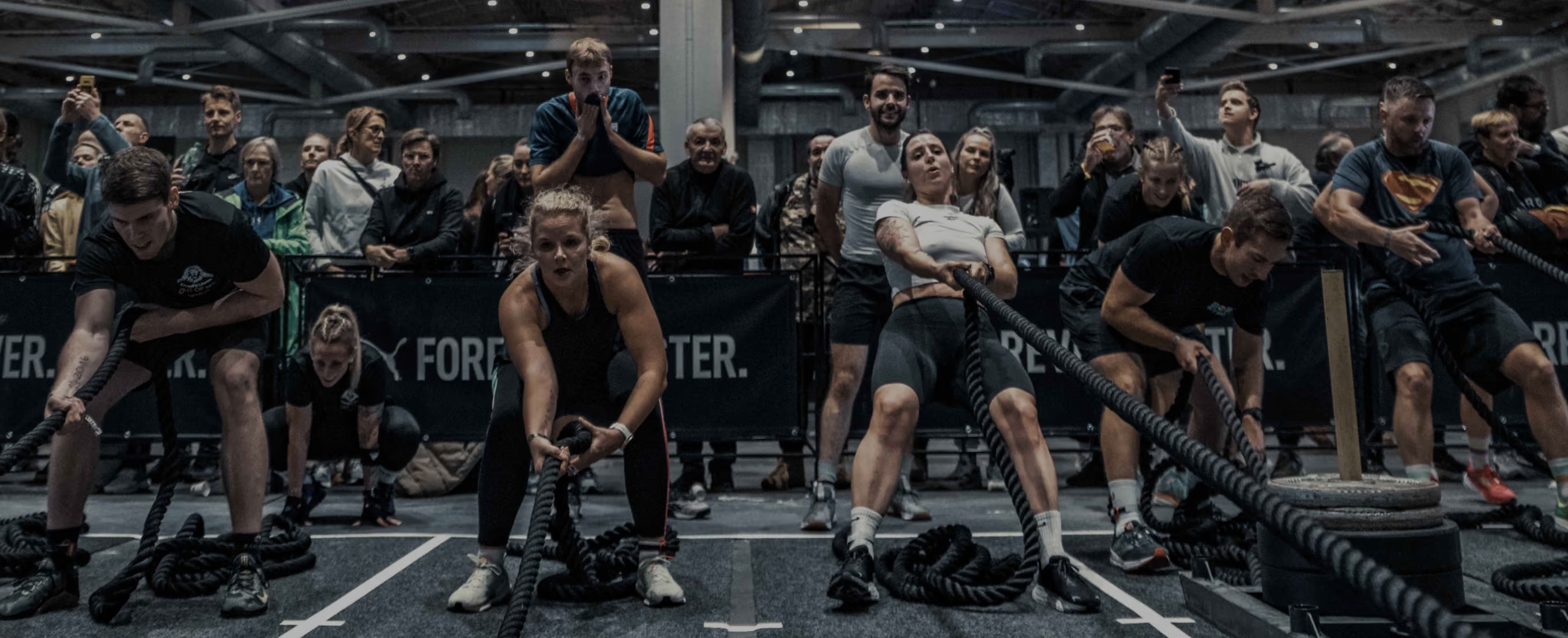

In the final weeks before a HYROX race, the highest-leverage changes are pacing practice and reducing training volume, not adding more sessions. Most first-time HYROX athletes are fit enough to finish. What actually determines their finish time is whether they paced the first few runs sustainably or started out too fast and had nothing left for the later stations.
Elite finishers strive to run each 1-kilometer lap at a relatively consistent pace, avoiding a slowdown late in the race. A simple approach is to run your first lap at a pace that feels one notch easier than full race effort, so you still have something left once you hit a station. Starting faster than you can sustain early on is the most common mistake among first- timers, and it's the one that costs the most time later.

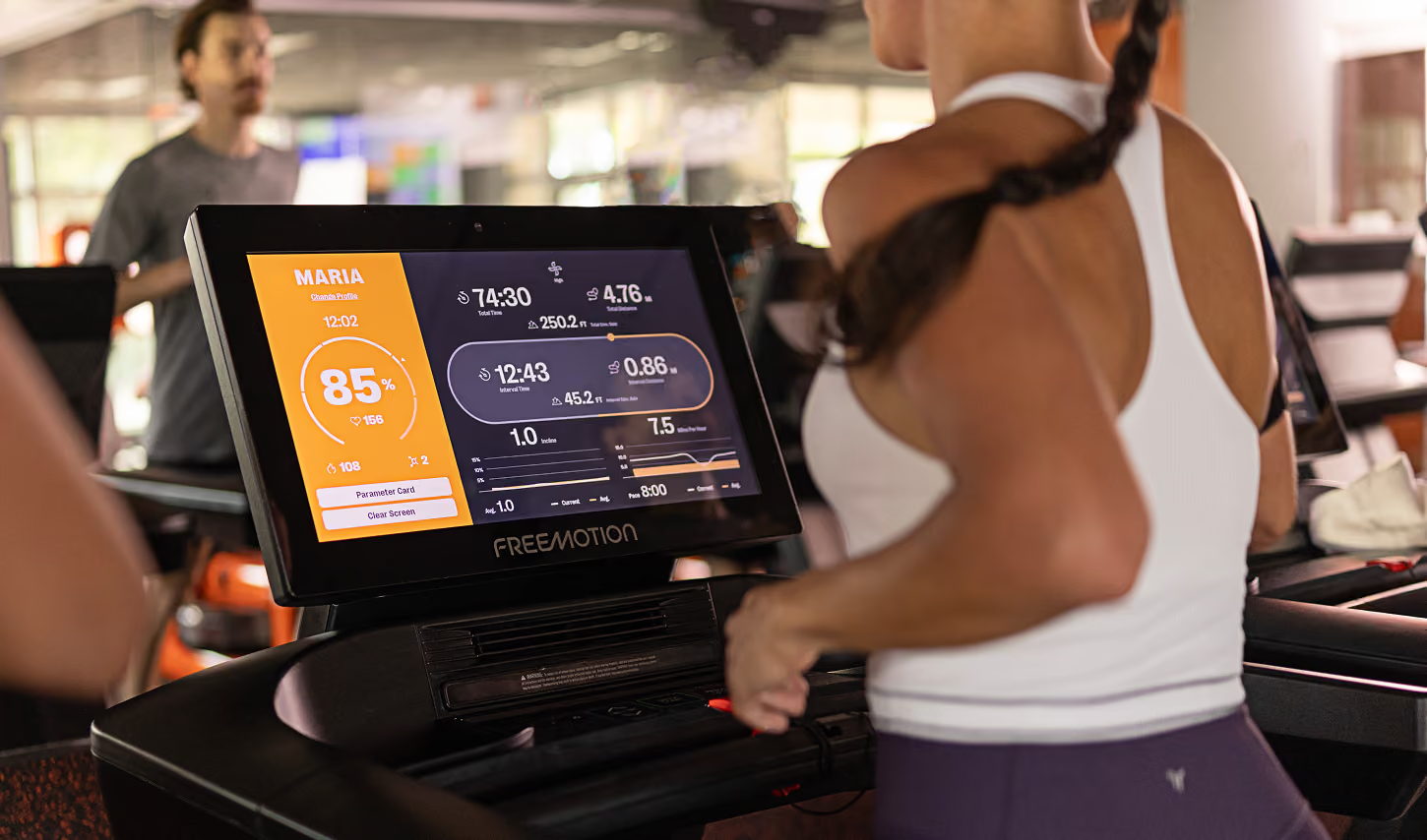
Reduce your training volume instead of trying to add fitness this late — you’ll only pile on fatigue. Practice your race day nutrition and hydration plan during a training session first, never for the first time on race day. Review the station order in advance so nothing on the course catches you off guard. If your studio offers classes marked HYROX on the schedule, use them to sharpen race-specific movements and pacing while keeping your overall effort controlled rather than going all out and showing up fatigued.

Remember: There's no time limit. The race rewards finishing in control over finishing fast in the early stations. Settle into a rhythm after each station instead of surging to make up time — early surging is what causes a late-race fade that can ruin otherwise solid performances. And don’t forget: Have fun. Trust your training and remember why you signed up in the first place.
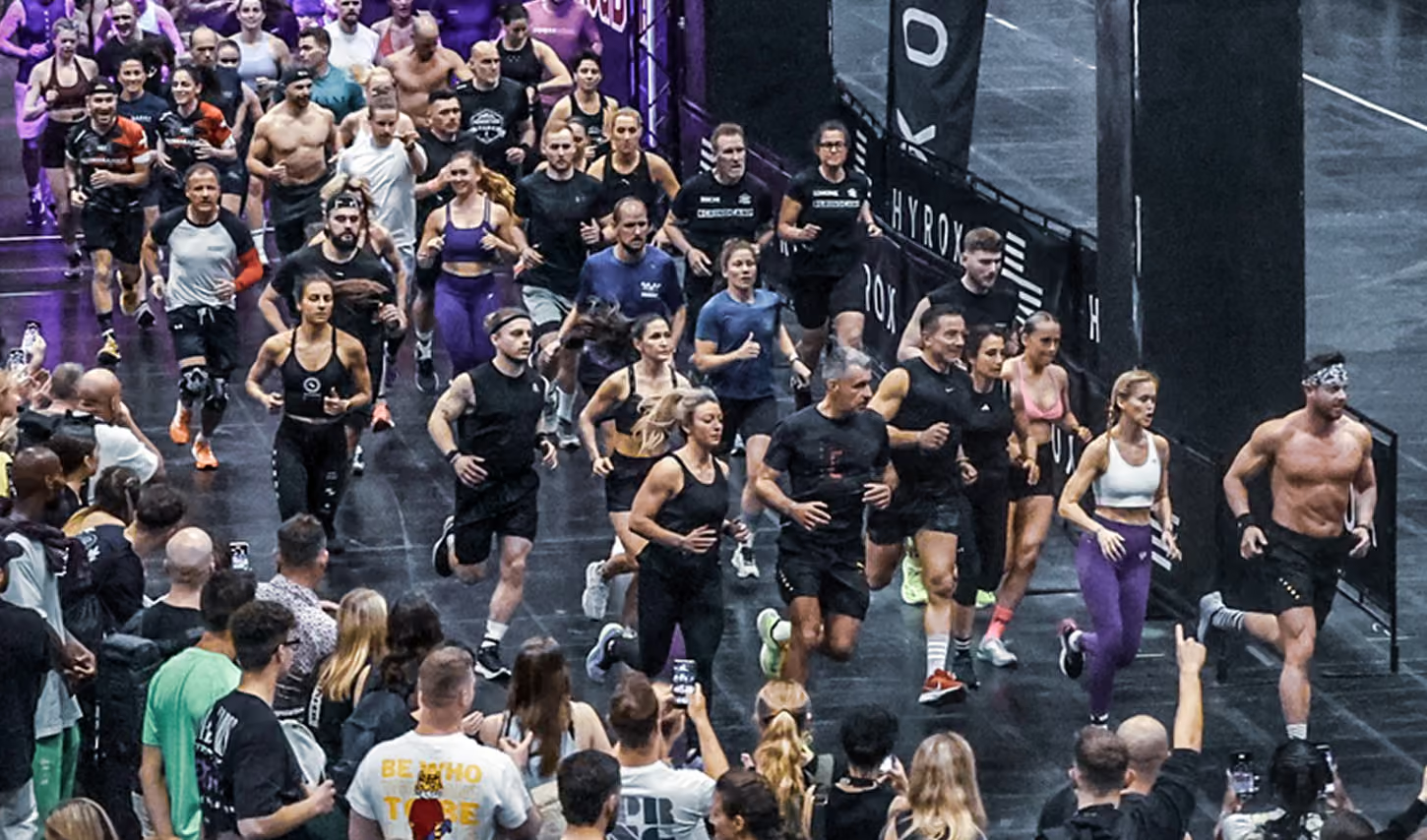
Aim for even pacing across all eight 1-kilometer versus starting fast. Running your first lap slightly slower than max effort preserves enough energy to perform well on the later, more fatiguing stations and runs.
Taper your training volume instead of adding more, and rehearse your race day nutrition and hydration plan in a training session beforehand instead of trying something new on race day.
Starting too fast on the first two or three runs and stations. It feels manageable early but leaves athletes fatigued for the later stations and laps, where most of the field slows down significantly.



*The “Free Class” offer is open only to first-time visitors and local residents aged 18 years and older; however, minors aged 14 and above may participate if special conditions are met. Valid at participating studios only. Conditions apply. See studios for details. Recommended retail price of a casual visit is $35; however, prices do vary, as each studio is individually owned and operated. Offer may be subject to satisfactory completion of pre-exercise screening and/or standard temporary/guest membership terms. Restrictions may apply; inquire at local studio for additional information.
1Based on internal Orangetheory data from over 3,000 members who participated in an 8-week Transformation Challenge, measuring average fat loss and lean muscle gain. Supported by third-party findings in Quindry et al., 2021: “Physiologic and Psychologic Responses to a High Intensity Functional Training Program.” Journal of Exercise Physiology Online, 24(2), 79–91.
†Offer limited to Premier members who complete 12 sessions within a month of membership start date. All sessions must be at the member’s home studio. Member must notify their home studio within 30 days of membership start date to initiate cancellation and receive refund of membership dues. OTBeat® sales are not refundable. Restrictions may apply; inquire at local studio for additional information.
§New members only. Former members must not have had an active membership or package for sixty (60) days prior to rejoin date. Participating studios only. Additional restrictions may apply, inquire at local studio for more information.
**Valid 10/27/26 - 11/30/26. Non-members only. Must purchase Premier or Elite Membership & qualifying performance monitor or Apple Watch activation fee (participating studios only). Discount for first two months of membership only. Membership automatically converts to standard pricing after second month. Void where prohibited. For add'l terms see orangetheory.com/en-us/promotion-terms.
